
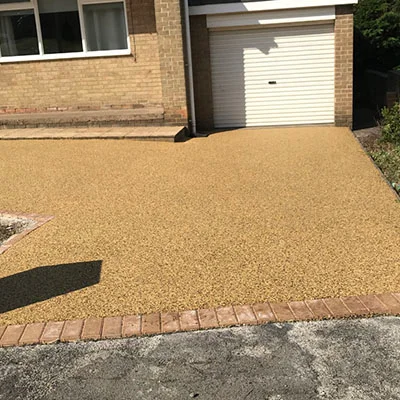
Resin driveways are getting popular among homeowners in Manchester because of their low maintenance and durability. However, with all the pros of having resin driveways, one of the common questions among homeowners is their cost.
Installing a resin driveway requires significant payment plans, and clients want to make sure that their money is spent wisely. Since a driveway impacts appearance and a property’s worth, it’s every homeowner’s right to have a clear understanding of pricing. Read further to understand the total cost of resin driveways, factors affecting their pricing, and how much you can expect in 2026.
Key Takeaways
- The total price depends on size, shape, and site conditions.
- Resin driveways usually cost between £50 and £120 per square metre.
- Resin driveways are durable, low-maintenance, weed-resistant, and offer suitable long-term value.
Factors Affecting Resin Driveway Cost
It is best to understand that the cost of resin is not fixed. There are several factors that affect its cost.
Size and Shape of Your Driveway
The size of your driveway plays a leading role in the total resin driveway cost. Larger driveways cost more for resin driveway installation than smaller ones. They require more sub-base materials and workforce hours. However, the cost per square metre of a large driveway is less than that of the small ones.
Other than size, the shape of driveways also matters. Rectangular and square driveways will require less installation time as compared to ones with curves.
Base Preparation
Preparing the base for resin driveways requires sub-base preparation, which can be costly. If you have a solid concrete or tarmac base, installation costs may be lower. However, if the new sub-base is needed, then MOT Type 3 sub-base, excavation, and groundwork will add to the price.
Custom Design and Finishing
Custom design can increase the cost. If you want different colour blends, decorative patterns, borders, or edging materials such as brick, stone, or aluminium, then expect the higher final price.
Location
Labour rates vary from place to place. Driveway installation in developed cities can cost more than in towns or rural areas. For instance, there are higher labour rates in South Manchester due to premium properties than in North Manchester with cheaper property values.
Accessibility
If your driveway is too narrow or located in a high-traffic area, then the installation process may take longer. Limited access to your driveway can make it difficult to deliver material, increase labour time, and overall cost. Moreover, sloped surfaces can also add complexity to the project, potentially raising the final price.
Resin Driveway Cost Breakdown
The average resin driveway cost in Manchester usually ranges between £50 and £120 per square meter. It can vary due to various factors that can affect the overall price quoted by the installer.
- A 20m² driveway usually accommodates one car. Resin driveway installation in such areas can cost between £500 and £1,900.
- The 40m² driveway is medium-sized, and two vehicles can easily fit in it. Here, the estimated resin driveway cost is between £1,500 and £3,500.
- Above 40m² driveways are commonly found in areas like Altrincham, Hale, and Sale. Here, driveway installation can cost between £2,500 and £5,900.
If you want to get a more accurate figure you can request a detailed, site-specific quote from a trusted local installer.
Tips To Save Money on a Resin Driveway Installation
Installing a resin driveway comes with a high cost. However, some tips and tricks can lower its cost without compromising on quality.
Install Over Existing Surface
If your current driveway has a solid and stable concrete or tarmac base, then there is no need to pay for full excavation. This will save labour time and require less material. However, the base must not have any cracks.
Opt for Clean, Simple Design
Multiple colour blends with decorative patterns can increase the final price. You can go for a simple design with a single colour. This will make installation more affordable.
Get Multiple Quotes
It’s best to request more than one detailed quote from your local installer. Comparing prices will help you understand the market rates, avoid overpaying contractors, and choose a reliable team of resin driveway specialists.
Book During Off-Peak Seasons
Spring and summer are busy periods for driveway installations. You should book during quieter months for a suitable resin driveway cost. It may help you get better workforce availability and potentially more competitive pricing.
Hire Experienced Installers
Always choose a firm that provides a team of skilled professionals and has a good rating online. It may cost slightly more. However, it reduces the risk of poor installation and expensive repairs later. Doing research before hiring will help you save money in the long run.
Are Resin Driveways Worth the Cost?
When homeowners consider a resin driveway installation, their main concern is whether the investment is justified. It mainly depends on what you are looking for. If you want a long-lasting, aesthetic, and low-maintenance driveway, then investing in a resin driveway might be worth it.
15 to 25 Years of Life Span
If the resin surface is installed correctly, then it can last for a long time. Unlike gravel or block paving, resin remains intact for years and requires fewer repairs and replacements.
No More Weed Growth
Resin driveways are the perfect choice for you if you are tired of weed growth. Resin creates a sealed surface, and weeds cannot grow easily through it. Weeds rarely grow on resin if dirt is cleaned regularly. Simply sweep the floor and wash it occasionally to keep the surface glossy.
Long-Term Value
Compared to other surfaces like block paving or tarmac, resin is often a better long-term investment. Block paving can develop gaps and let weeds grow. On the other hand, tarmac can crack and need to be resurfaced often. Resin may cost more, but its long-lasting nature and low maintenance costs make it a good choice for many homeowners.
Frequently Asked Questions
What are the downsides of resin driveways?
Resin driveway installation is quite expensive. This type of driveways are not suitable for places that endure heavy vehicle use. Resin with a cracked surface can be expensive to repair.
If you do not clean the surface regularly, then it can lead to water puddles, which can cause algae growth. Moreover, if you choose a non UV-stable resin, then it can turn pale and look worn-out.
Is resin cheaper than concrete?
Resin is more expensive than the traditional driveway options, including concrete. Although resin driveways can be installed faster but require a strong sub-base, which increases project cost. Concrete driveways are suitable for heavy-traffic areas and are more economical.
Concrete usually costs between £55 and £85 per m², while resin costs between £60 and £95 per m². But a resin driveway may be a suitable investment because it needs less upkeep, while concrete may need more repairs over time.
How long do resin driveways last?
Resin driveways can last between 15 and 25 years with proper installation. Their long lifespan is because of the thick resin layer. This provides a durable surface that can stand against weather changes.
It is best to choose premium quality resin that ensures the driveway stays smooth, prevents cracking, and resists fading or damage over time.
What is cheaper, a tarmac or resin driveway?
If you are looking for a cheaper option, then tarmac ones are more affordable than resin driveways. Resin driveways are expensive because of the durable, high-quality material.
Tarmac ones, on the other hand, are also durable but require maintenance over time. Tarmac driveways typically cost around £40-£65 per square meter, while resin-bound driveways can be higher.
What are the disadvantages of resin?
Resin flooring has many benefits, but there are a few disadvantages that you should consider. Such driveways can have weak spots and may peel if the concrete is not prepared correctly.
Over time, resin may fade if low-quality materials are used or if exposed to harsh UV for long periods. Moreover, resin surfaces can become slippery in heavy rain if not textured properly.