
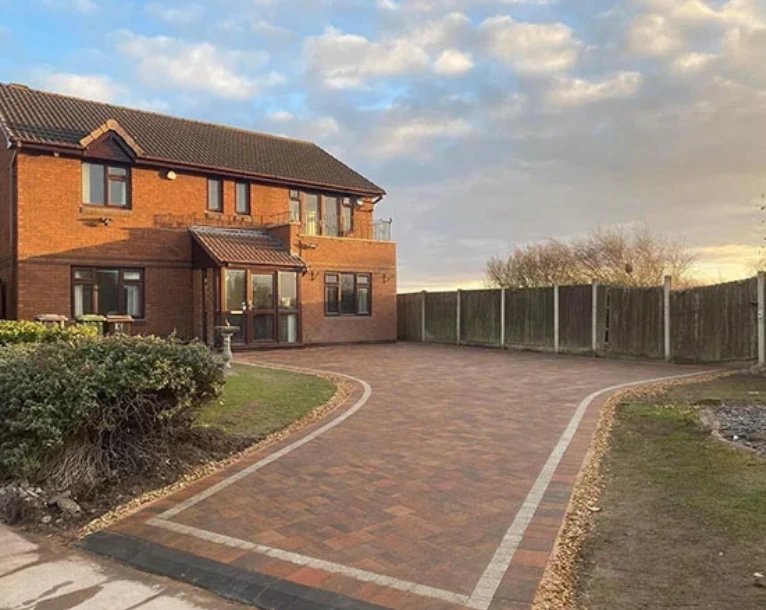
Do resin driveways really last long, or is it just hype?
Many homeowners in the UK wonder if a resin driveway is really worth the cost.
It is true that resin is known for its durability. But this depends on a few factors. Like proper installation and maintenance. Quality materials. A solid base. Everything is important.
Here, we have covered everything you need to know about how long do resin driveways last.
What Is a Resin Driveway?
A resin driveway is a modern solution to the UK’s weed-growing problems. It has a stronger lifespan than other standard driveway materials. Natural aggregates like gravel and stone are combined first. Then, a resin binder creates a seamless finish.
The result is a smooth surface that is beautiful and lasts longer. The water does not enter it. Weeds have little space to grow. No cracks in driveways. The colors and patterns provide visual appeal. A win-win for all.
Another great thing about resin is its adaptability. You can be creative with any pattern you like. Many people in the UK prefer resin driveways to match their modern, minimal, or traditional aesthetic.
How Long Does a Resin Driveway Last?
Resin driveways are incredibly durable. They can resist general wear and tear. On average, a properly installed and well-maintained resin driveway can last 15-20 years.
In some cases, a resin driveway can last 25 years too. But that is when you install a resin-bound driveway. Though it costs more, the thicker resin layer will last a lot longer than other standard driveway materials.
Resin Driveway vs Other Driveways | Lifespan & Durability Comparison
In the UK, driveways are commonly made of concrete, asphalt, gravel, and resin. Each material has its benefits. But resin is more cost-effective over time. It faces less cracks and minimal repairs in the next 20 years.
To help you understand better, here is a detailed comparison of resin with other driveway materials:
| Driveway Material | Base Lifespan | Lifespan wth Regular Maintenance | Durability | Strength Points | Weak Points |
| Resin | 15-20 years | 25+ years | Highly durable | UV-resistant. Fewer cracks over time. Low-maintenance. Visual appeal. Permeability. UK weather resistant (free-thaw cycle). | High upfront cost. Resin-bonded can crack under heavy weights. Tricky repairs for cracks. |
| Concrete | 20–25 years | 30-40 years | Highly Durable | Can handle heavy weights. Longer lifespan. UK weather-resistant. | Non-permeable.Can creak under ground movement. Longer freeze-thaw cycles cause cracks. |
| Asphalt | 15–20 years | 20–25 years | Moderately Durable | Can handle heavy weights. Good with minor ground movement. Cost-effective. Quick installation. Easy repairs. | Not good with extreme weather. Softens in high heat; brittles in freezing weather. High-maintenance. Cannot handle high ground movement. |
| Gravel | 5–10 years | 10–20 years | Moderately Durable | Does not crack. Inexpensive. Permeable. Easy to install. Low-maintenance. Natural drainage. | Not good with heavy weights consistently. Can shift with ground movement. Heavy rain can wash away the surface. Uneven surfaces due to freeze-thaw cycles. |
What Makes Resin Driveways So Durable?
Resin has many features that make it resistant to cracks. It has high adhesive strength and moldability. It can also endure sunlight and extreme weather. All these features make resin an ideal choice for daily use.
Adhesion
Resin’s strongest quality is its adhesion. A resin binder penetrates through the stones and locks them in place. Even after years, the surface stays in place because of this strong adhesion.
Moldability
Moldability is what makes resin unique compared to other standard driveway materials. Because of this quality, resin can take the shape of the base perfectly. So, you get a seamless surface with no possibility of cracks.
UV Resistance
The UV light weakens the binder over time. But resin does not degrade under sunlight. This both maintains the aesthetic appeal and increases the resin driveway’s lifespan.
Weather Resistance
Resin is popular for its resistance against harsh weather. It does not get damaged due to rain, wind, or frost. It is also highly permeable. So, water drains well instead of collecting in one place.
Factors That Affect Resin Driveway Lifespan
The longer lifespan of a resin driveway depends on a few factors that we have discussed below.
The Quality of Installation
The quality of installation is the most important factor for a resin driveway. Poor installation results in uneven resin distribution. This means weak spots and air pockets that lead to cracks and weed growing. All these problems reduce the lifespan of your resin driveway.
Base Condition
A resin driveway lasts longer if the base is solid. It supports the resin surface and distributes the weight evenly. Usually, a new sub-base is installed from scratch. But in some cases, an existing base can also work if it is in good condition.
However, installing resin on a poor base is never a good idea. An uneven base causes the resin to crack and shift quickly.
Type of Resin Used
The type of resin you use is also important. Generally, you will find three types of resins in the UK. Resin-bonded, resin-bound, and UV-resin.
- Resin-bonded has a thinner layer due to less material. It costs less but cracks easily.
- Resin-bound has a thicker layer. It can handle heavy weights, and your resin driveway lasts longer.
- UV-resin is resistant to UV rays. The colors do not fade even after many years.
Weather Conditions
The UK faces extreme weather. This affects the lifespan of a resin driveway. In extreme heat, the colors of low-quality resin can fade. While in harsh winters, water trapped in tiny gaps expands. This causes cracks in the resin surface. However, these problems usually occur if the resin driveway is poorly installed.
Traffic Load
Resin is not meant for heavy traffic load. Standard cars are fine. But heavy vehicles like vans or trucks can stress the resin structure. Likewise, sharp braking in the same spot will cause wear and tear.
Is a Resin Driveway Worth the Cost?
A resin driveway is definitely worth the cost if you want durability plus visual appeal. They meet the modern aesthetics. And you can match them with your property’s style.
But besides this, resin driveways are valuable because of their long-term comfort. They do not crack due to weeds or the UK’s weather. This saves you a lot of money in the long run.
So, even though the initial cost of resin driveways is high, they are still worthwhile. And let’s be honest. You’ll probably pay the same amount over the years for maintenance of other standard driveway materials. In the case of resin, you pay for it once and for all.
Tips to Make Your Resin Driveway Last Longer
Resin driveway is an expensive investment. Make sure you follow these practices to increase its lifespan:
- Always choose high-quality resin and aggregates if you want your driveway to last longer.
- Hire the best experts. A professional knows how to work with resin. They have all the tools and expertise to remove the old base and install a new one.
- The base should be solid. It will keep the resin surface intact for years.
- Regular maintenance is the key making your driveway last longer. Remove dirt frequently. Repair minor cracks before they turn to bigger ones.
- Do not put load on your driveway more than it can handle. This includes heavy vehicles.
- Do not put sharp objects on your resin driveway. Like metal tools or furniture with sharp corners. They can cause cracks.
- When brushing, do not use a stiff broom.
- When washing with water, always keep the nozzle at a shallow angle. Use low to medium pressure. And keep the nozzle moving so water pressure does not concentrate in one place.
- Quickly wipe out any oil or petrol spillage. Use a mild detergent with a soft-bristled brush.
- Regularly clean your resin driveway to avoid algae and moss growth.
- If you want to use a cleaner, go for one designed specifically for resin.
- Be careful with driving through the resin driveway. Avoid sharp turns or brakes. Remove tire marks as soon as possible.
- In snowy season, do not let snow settle on resin for too long. Use a plastic shovel to gently remove ice. Avoid using rock salt or any sale based de-icer on resin. Instead, you can use sand or cat little for traction during snow.
Frequently Asked Questions
What are the disadvantages of a resin driveway?
There are a few. The higher upfront cost is the biggest drawback. You also must hire experts to do the job. Then, the resin-bonded material is not that good with heavy loads. It can go yellowish or fade if UV resin is not used. And if they get cracks somehow, repairs can be tricky.
Do resin driveways last
Yes. Resin driveways can last 15-25 years. They easily exceed 20 years if you maintain them well. Proper installation is also necessary. Go for resin-bound material for a thicker driveway.
Does petrol damage resin drives?
Yes, but only if you leave it on resin for too long. Generally, resin has a seamless surface. Anything on it, including petrol, does not penetrate through it. Small spills are also fine. Just make sure to wipe them on time. Leaving petrol for too long on the resin can weaken the binder.
How long until you can walk on a resin driveway?
Resin driveways need some time to set after installation. Ideally, you can walk on the surface within 24 hours. But you should wait around 48-72 hours to drive cars on it. Ask your contractor for further instructions.
What happens if it rains on a fresh resin driveway?
Soft resin is very delicate. It still needs time to settle. So, rain on a fresh driveway is not good. Water can mix with soft resin and weaken it. Though the light drizzle is fine. Still, you should ask your contractor for temporary coverings to increase resin safety.